

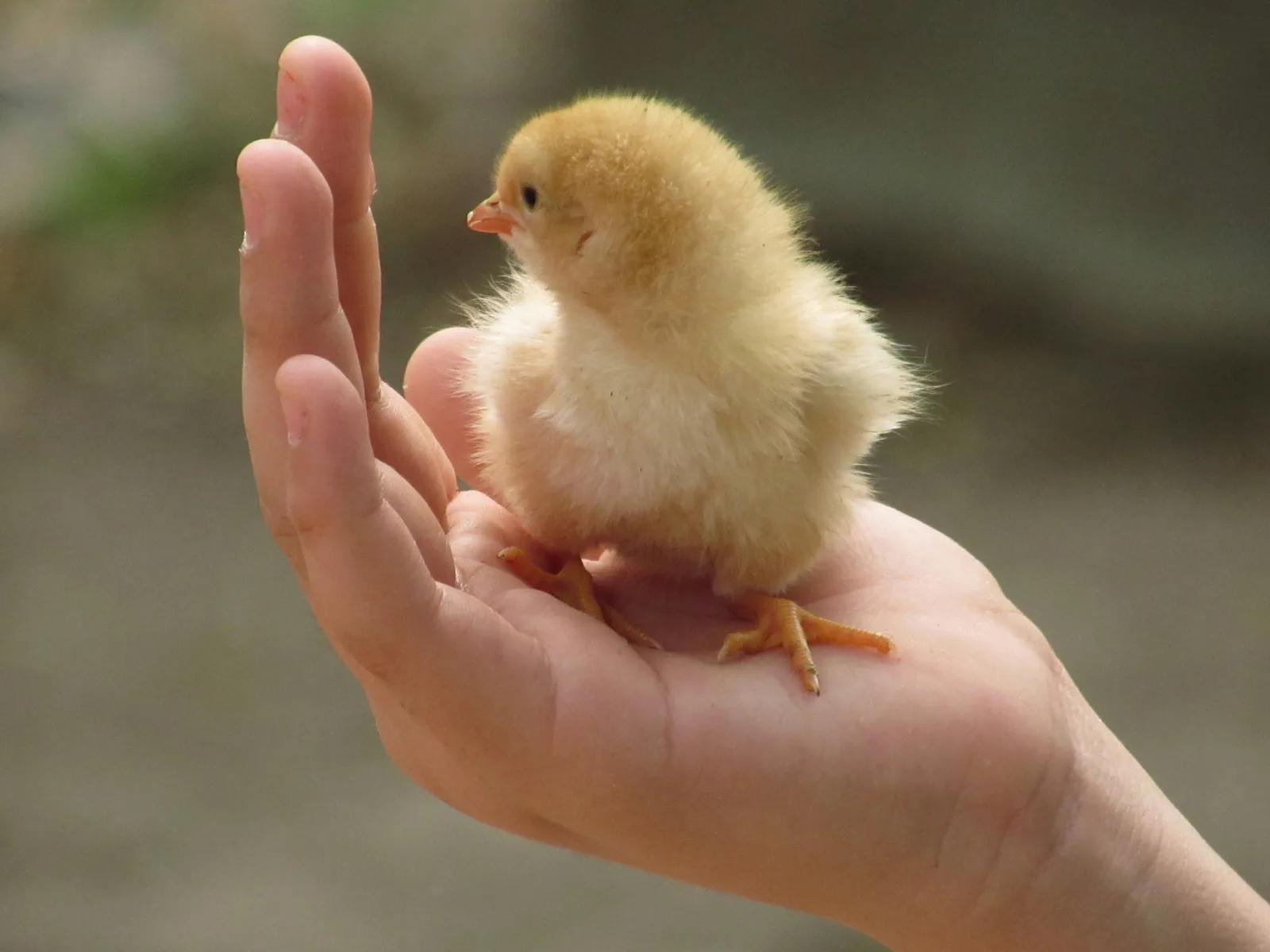
You want to tell your friend your phone died. You type shouji. The pinyin IME offers options, you tap the wrong one, and what sends is 我的手鸡没电了. "My hand chicken is out of battery." There is no good recovery from this.
That joke is funny because it is familiar. It also tells you exactly what is wrong with how most people learn Chinese characters.
Recognition Is Not Production
Here is the uncomfortable fact: the pinyin IME is still a recognition tool. You type a sound, three characters pop up, you pick one. Your job is to spot the right character in a list, the same job your flashcard app has been training you for all year. You never had to produce the character from memory. You had to recognise it among alternatives.
That gap shows up everywhere. On the HSK writing section. On a whiteboard when a tutor asks you to show them what you meant. In a text where the IME guessed wrong and you did not catch it. The gap is the reason most learners read at HSK 4 and write at HSK 2.
Why Recognition Is Easier Than It Feels
Recognition is cued. The character is on the screen. Your brain only has to say "yes, I have seen this, it means eat." That takes a fraction of the work of producing 吃 from nothing but the thought of eating.
Think of it as the difference between a multiple-choice test and a fill-in-the-blank. Same content, completely different difficulty. Chinese teachers have known this for decades. Character flashcards have quietly pretended otherwise.
There is also the homophone tax. Mandarin has relatively few syllables and a lot of words, so you get clusters of characters that all sound like shi, ji, li, and so on. Recognition lets you lean on the IME to sort them out. Production means you have to know, cold, which 老shi is the teacher and which one is the rat. (老师 is the teacher. 老鼠 is the rat. Same pinyin, different character, one word you use every day and one word that lives in the walls.)
What Production Actually Requires
Producing a character from memory is four skills wearing a trench coat:
- Stroke order. The sequence your hand follows. Wrong order and your character still looks roughly right but your muscle memory never builds.
- Radical structure. Knowing that 河 is 氵 (water) plus 可 (phonetic). Characters that decompose cleanly are characters you can rebuild from parts.
- Sound-meaning assembly. Which piece carries the meaning, which piece carries the sound, and how the two collide. Most characters are phono-semantic compounds. Once you see that pattern, every new character you meet is half-decoded before you even look it up.
- Muscle memory. The thing that only hand-writing builds. Typing does not count. Tracing a model does not count. You have to produce the character from the thought of the word, not from a visible template.
Most learning apps train zero of these four. Recognition quizzes train a fifth skill that is useful but separate.
How to Train Production
Three moves, in order of impact:
Write by hand, from the pinyin, with no model visible. If the character is in front of you while you copy it, you are tracing, not producing. Say the word out loud, hold the meaning in your head, and then write. Check against the correct form only after you are done.
Learn radicals first, characters second. Around 200 radicals cover the vast majority of Chinese characters. Once you can decompose 河 into 氵 and 可, every other water-word gets easier. The brain stores components, not pixel patterns.
Use a tool that narrates, not just animates. Stroke animations are solved. Every app has them. The hard part is knowing why you got a stroke wrong and what the stroke is called. Hearing 横 (héng, horizontal), 竖 (shù, vertical), 撇 (piě, falling-left) builds a vocabulary your hand can follow. Watching a silent diagram does not.
What To Practise First
If you are starting the production track from zero, do not begin with HSK 1 characters. Begin with the top 50 radicals. Get fluent in the components first, and the characters built from them stop being 2,000 unrelated squiggles and start being combinations you can read structurally. 氵 means something. 心 means something. Once they click, so does everything built on them.
Then take the top 200 most frequent characters and hand-write each one three times a day until it sticks. That gets you to a place where writing a birthday card in Chinese stops being impossible.
The worst thing you can do is try to learn how to write every character you can recognise. The gap is too big and your motivation will not survive it. Pick the subset that shows up when you need to produce Chinese, and train that.
If you have been studying Chinese for a while and you have noticed that recognition far outpaces production, you are not broken. You are running the training the apps gave you. The fix is to add production as a separate track, not to do more of the same.
For the other half of the "characters that look alike" problem, read Why You Keep Mixing Up 己, 已, and 巳. For the broader case that recognition and production are different skills that need different training, read Why One Study Method Is Never Enough. And if you want to see what narrated stroke-order practice looks like, open the Write tab on a demo card for 龙 and try tracing it yourself.
Hero photo by elezero on Unsplash.